




enterprise website design
one website can carry a lot of weight.
Your brand. Your content. Your customer experience. Multiple audiences. Multiple teams. Sometimes multiple brands. And underneath it all, a system that has to keep working as the business changes. The best enterprise websites make all of that complexity feel remarkably simple.
in good company




you know what you’re responsible for. so do we.
A website this important comes with a lot of expectations. You’re balancing the brand, the business, your customers, your team and the people counting on you to get it right.
You need a team that can take on the complexity without adding to it. One that can own their part, see around corners and deliver.
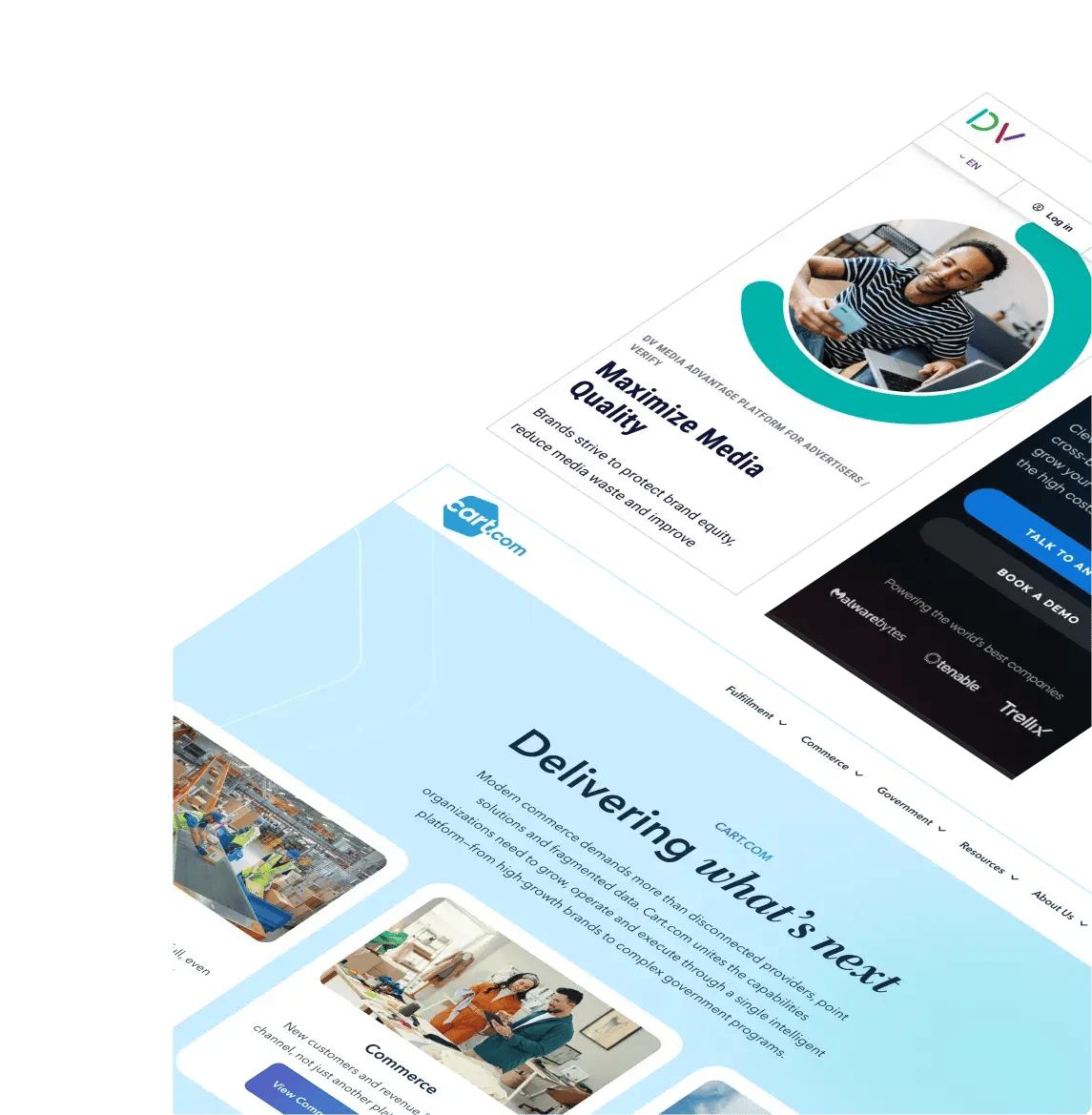
We’re proud that marketers have brought us with them from one company to the next. There’s no better measure of trust than being asked to do it again.
beautiful doesn’t come from a template
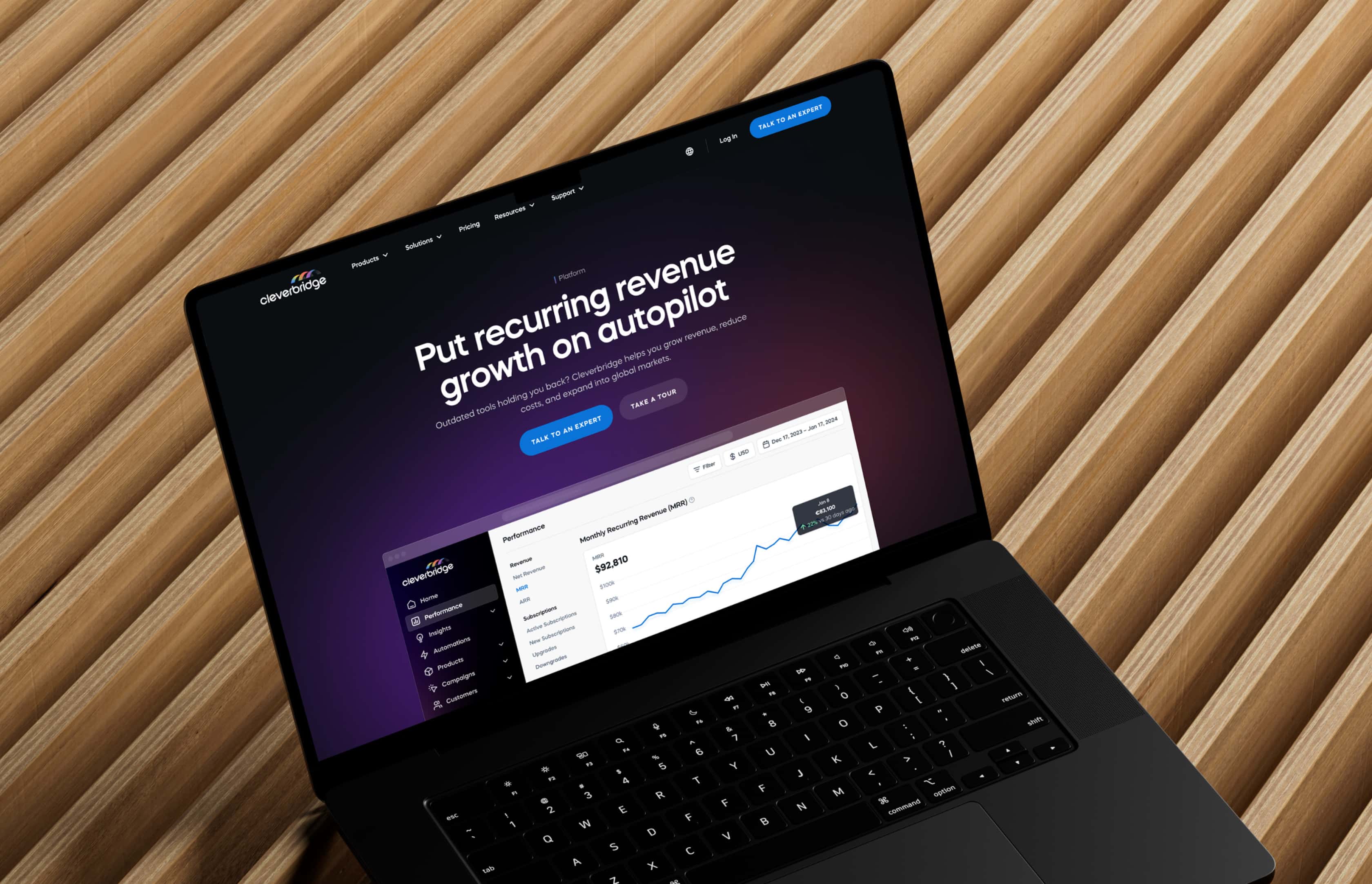
There’s a sea of sameness on the web. The same layouts, oversized headlines, cards and predictable interactions can make even the best brands start to look alike.
The difference is in the details—the radius on a button, the way type scales, the space between elements, a subtle animation or an interaction that feels completely natural. They’re small decisions, but together they create something distinctive. A website that looks and feels like your brand.
We have designers who obsess over those details and developers who know how to preserve them in the build, while still giving your marketing team the flexibility to use the system in ways we haven’t imagined yet.
That attention to detail has earned us design awards and, more importantly, the loyalty of some of the best marketing teams in the world.
built for marketers who want control.
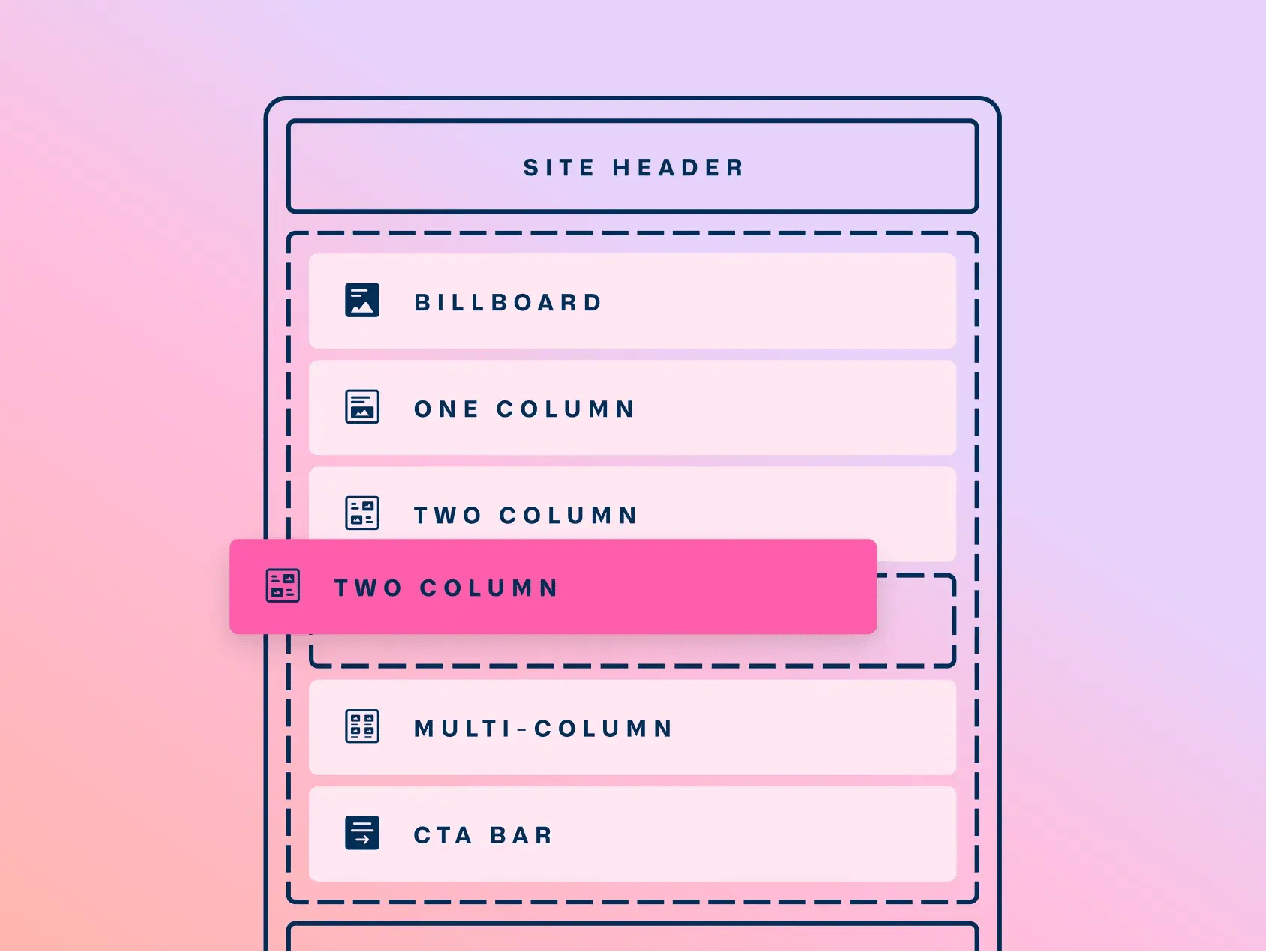
A custom website shouldn’t leave you dependent on the people who built it.
We build flexible design systems in HubSpot that give your team room to work. Components can be combined in different ways. Layouts can evolve. New campaigns and ideas don’t require a new template every time.
The guardrails are there to protect the design, not limit what your team can do with it.
Because once the website is yours, it should actually be yours.
consistency without sameness.
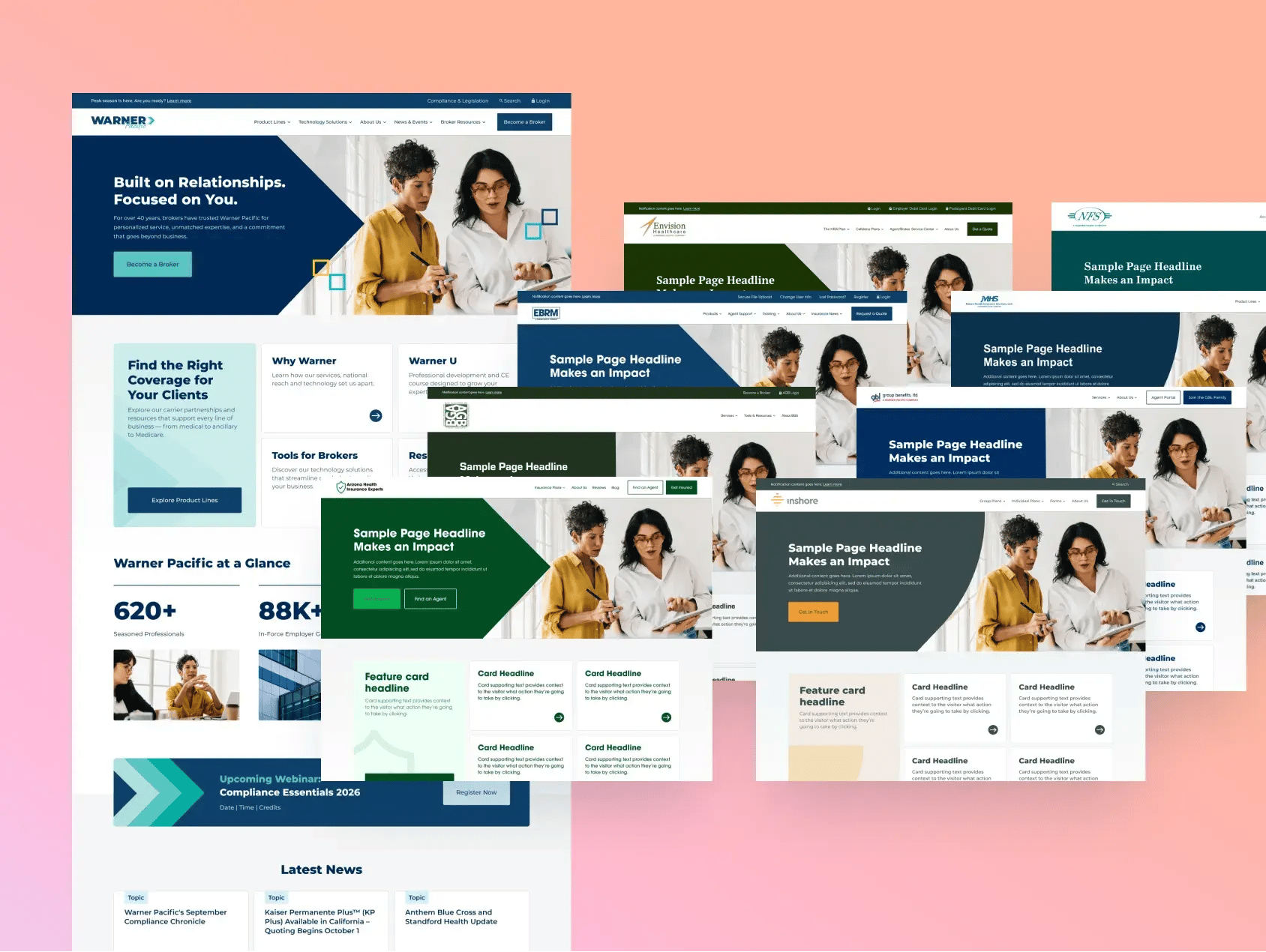
Managing multiple brands doesn’t mean every website should look the same. It also doesn’t mean rebuilding the same functionality over and over again.
HubSpot parent and child themes let us create a shared foundation where it makes sense—components, functionality, accessibility and development standards—while giving each brand the freedom to have its own identity.
The important decision isn’t whether everything can be shared. It’s deciding what should be.
the website is only part of what you’re building.
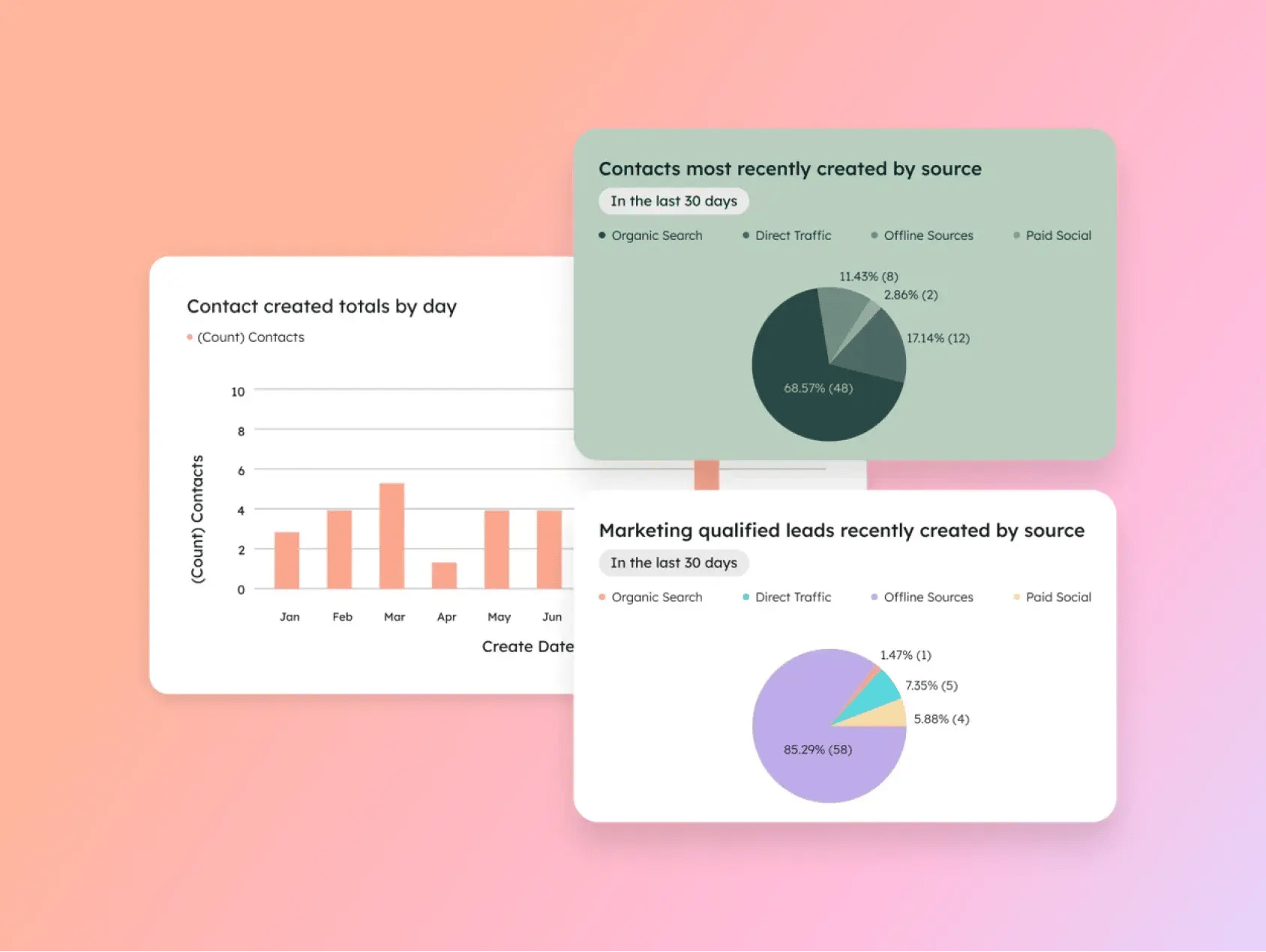
This is where knowing HubSpot beyond the CMS matters.
Your website is creating customer context with every visit, form submission, content view and conversion. That information can shape what happens next across marketing, sales and service.
We think about the experience your customer sees and the system working behind it at the same time. CRM architecture, data, automation, integrations, reporting and personalization aren’t someone else’s problem after the website is designed.
They’re part of how the experience works.
bring what’s working with you.
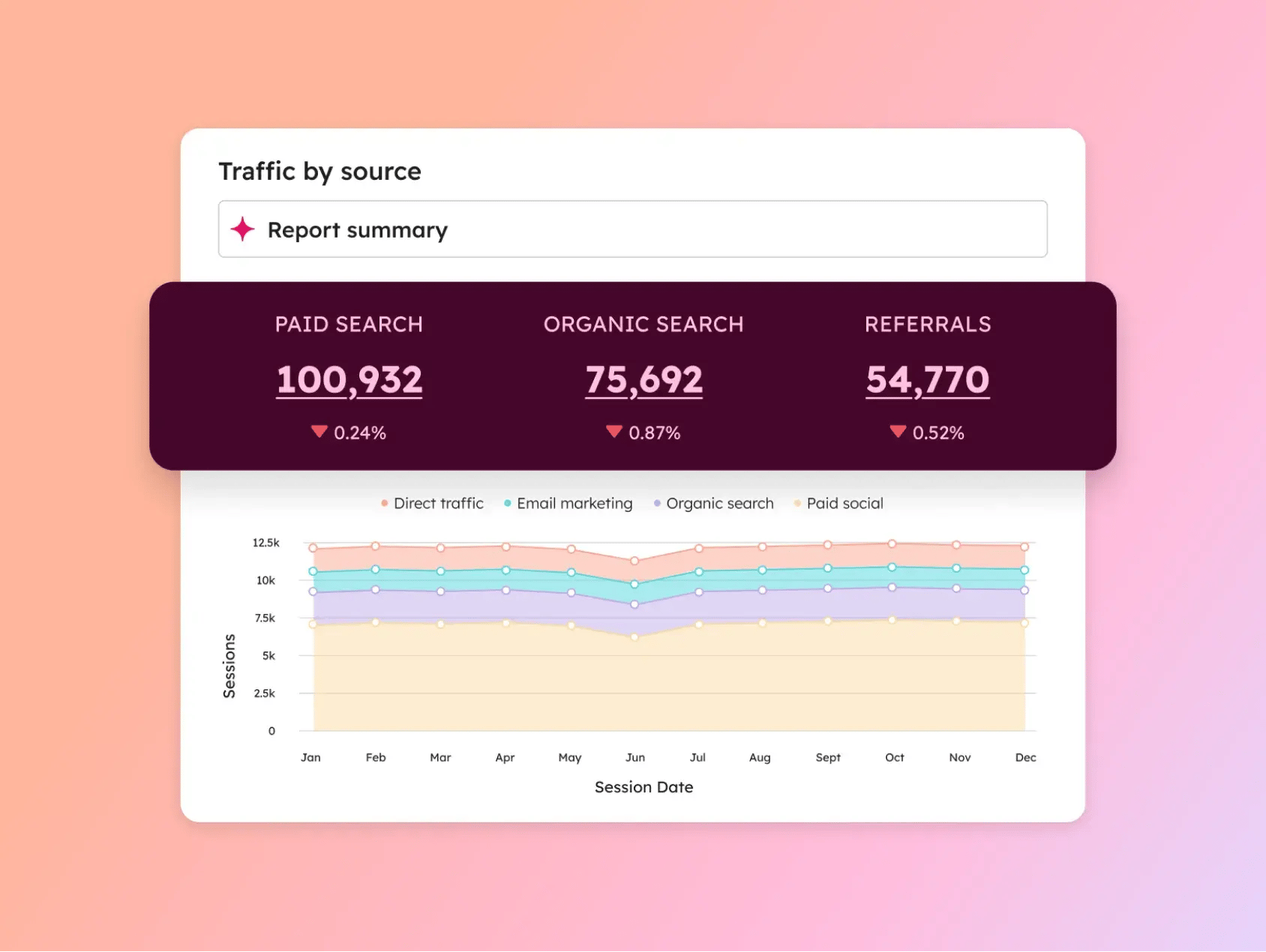
Moving a large website to HubSpot doesn’t mean starting over.
You’ve built search equity, content performance, conversion paths, integrations, analytics and years of customer behavior. Some of it should change. A lot of it shouldn’t.
A good migration knows the difference.
We account for the details that matter before anything moves, so the value you’ve already built has a place in what comes next.
when the website needs to do more, we build more.
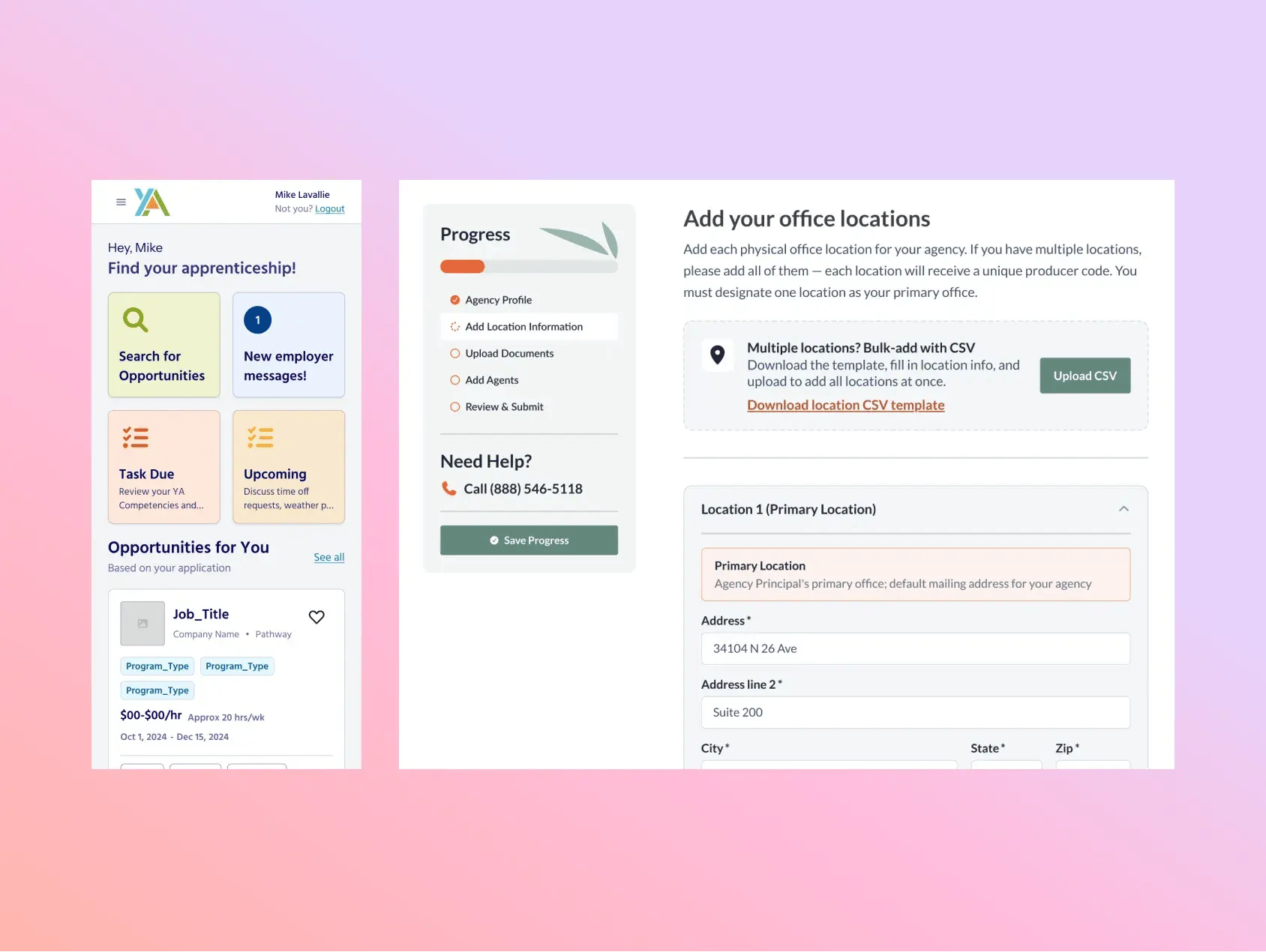
Not every requirement fits neatly inside a CMS.
Maybe customers need to log in. Partners need their own experience. Visitors need a calculator, directory or application. Product data needs to come from another system. A workflow needs to continue long after someone submits a form.
That’s where our development team comes in.
We build custom portals, integrations and web applications that extend what HubSpot can do and connect the website to the systems your business depends on.
built on HubSpot. deeply

We’ve been a HubSpot partner since 2011, and we build websites exclusively on HubSpot CMS.
That means our experience goes well beyond themes and modules. We work across HubSpot’s CRM, Content Hub, Marketing Hub, Sales Hub, Service Hub and Data Hub, along with custom objects, HubDB, APIs, integrations and custom development.
You don’t need to know how all of that should fit together.
You need a team that does.
What our clients say
"All of our initiatives have been completed within our agreed upon timeframe and right within our budget"

see examples of our work

DoubleVerify

Ingram Lifecycle

CRH America's Materials